

What does a Drexel degree in entrepreneurship actually look like in the real world? For Lasya Tarini (Close School Class of ’25), it looks like a career built on “hustle,” community building, and global impact.
Many remember her from her previous article on Starter’s Review, where she shared her expert strategy for landing the perfect co-op. Today, Lasya has come full circle.
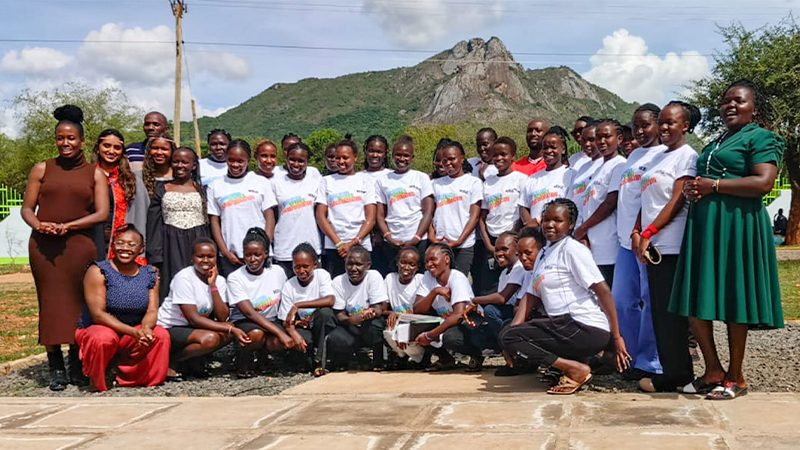
From landing a job created specifically for her at United Effects Ventures (UEV) to mentoring young women in Kenya through the HER Lab program, Lasya’s path reflects how entrepreneurship training translates into real-world leverage.
Learn how fellow Drexel Dragon Lasya pivoted from marketing to venture building, why community is the ultimate startup currency, and how teaching business fundamentals across the globe has sharpened her own professional toolkit.
On the Journey to United Effects Ventures
Q: You’ve gone from writing about landing a co-op to landing a full-time role created specifically for you. How did that happen?
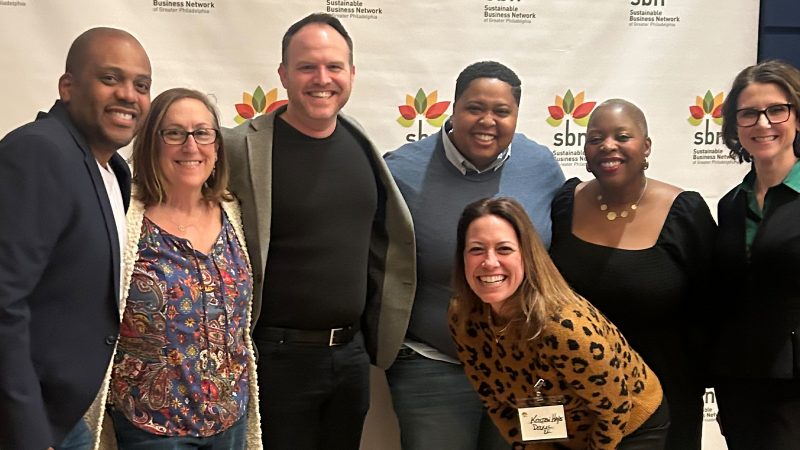
Lasya: “It started when I attended the AI Open Innovation Tournament in Philly. I previously attended in 2024, and we made it to the finals, but not on the second day of pitches. This year, a friend encouraged me to go, even though I didn’t have a tech background. We ended up pitching to a group of about 10 investors based in Philadelphia.
Our pitch was: we’re not really looking for investment in our company, but we are looking for experience.
All of us laid out what our expertise was in and asked for opportunities to learn. I messaged all of the investors that same Sunday, and Frank from UEV responded. He kind of pitched this engagement manager role to me as they’re stepping into the Philadelphia ecosystem. They created the role and worked with me to create my list of duties and responsibilities based on my strengths.”
Q: How did being an entrepreneurship major prepare you for that kind of high-stakes pivot?
Lasya: “I loved being an entrepreneurship major because it allowed me to pivot.
I’ve seen majors go into sales, tech, and AI. If you know how to use your entrepreneurship degree correctly, it can actually become your signature strength.
The key is that I’ve pitched too many times to count at the Close School. By the time I had to give my commencement speech, which was like a pitch on steroids, or a pitch to real investors at a hackathon, I was ready for high-pressure situations.
Learning how to talk in front of a crowd will help you no matter what you go into, whether that’s an interview or a pitch.”
On Building the Philly Ecosystem
Q: At UEV, you focus on “intentional spaces” and have emphasized that community is just as important as capital for early-stage startups. Why?
Lasya: “I think community has to come first. A lot of people say ‘build in public’—show people and bring them along in that process when it isn’t perfect. That’s what people relate to most. If you have a product and you have these long waitlists when you launch, it’s usually because you didn’t build in silence.
At UEV, we have ‘Ground Floor,’ our monthly event series. People give a one-to-two-minute pitch just to introduce themselves and then spend the rest of the time networking with intention.
We want to make sure there is something for founders at every stage of the process, whether they’re just starting, raising capital, or exiting.
I’ve heard this advice from so many people: ‘You might want to invest in the startup, but partner with them first. See them as founders first.’
That’s why connecting first matters.”
Q: You’ve prioritised community building, even before you had a professional title to do so. Why is that important to you?
Lasya: “Don’t forget about giving a hand to others, because you never know where that’s going to lead you.
People have told me, ‘Oh, why are you trying to make intros for students when you’re still trying to get a job?’ But I built a network over four years. What is it to take 20 minutes out of my day to make an intro? If anything, it helps me too. I’ve made intros that happened so quickly, and then eventually saw them at an event and realized they were actually working together. Those are crazy full-circle moments.”
On HER Lab and Global Mentorship
Q: You are currently a mentor in the HER Lab program. How has teaching business fundamentals to women in Kenya changed your own understanding of business and entrepreneurship?
Lasya: “Going back and understanding how the Business Model Canvas works and what actually belongs on a pitch deck is a great reminder of the fundamentals. It reminds me of how important these things are.
It’s also made me more curious as I’m traveling, observing what startups are there, and understanding global markets. It keeps me grounded to be teaching younger women who are at a completely different point in their lives.
On the same day, I could be teaching a class and going to a networking event in New York, where people are at such a different point in their careers. You realize this is all just a journey that we all kind of go on.”
Q: Has the international nature of the program changed your communication and approach? Lasya: “Definitely. It has really made me think about my communication. We’ve had a bit of a learning curve with being more concise and adaptable. Since I started the program, I have become more self-aware in how I communicate and more confident in presenting ideas.. I believe it has really helped in my role at UEV, too.”
Advice for the Next Generation
Q: Based on your journey, what is the #1 thing a Drexel student should do right now?
Lasya: “Get as much experience as you can while you’re still a student because you have a superpower – being a young person who’s just trying to learn. People will give that to you if you just ask.
Just be in as many places as you can, as many times as you can. As an older student, I would also say: if you see younger students who seem a little bit lost, ask them to come to an event with you. I had somebody do that for me, and that completely changed my trajectory of being at Drexel.”