
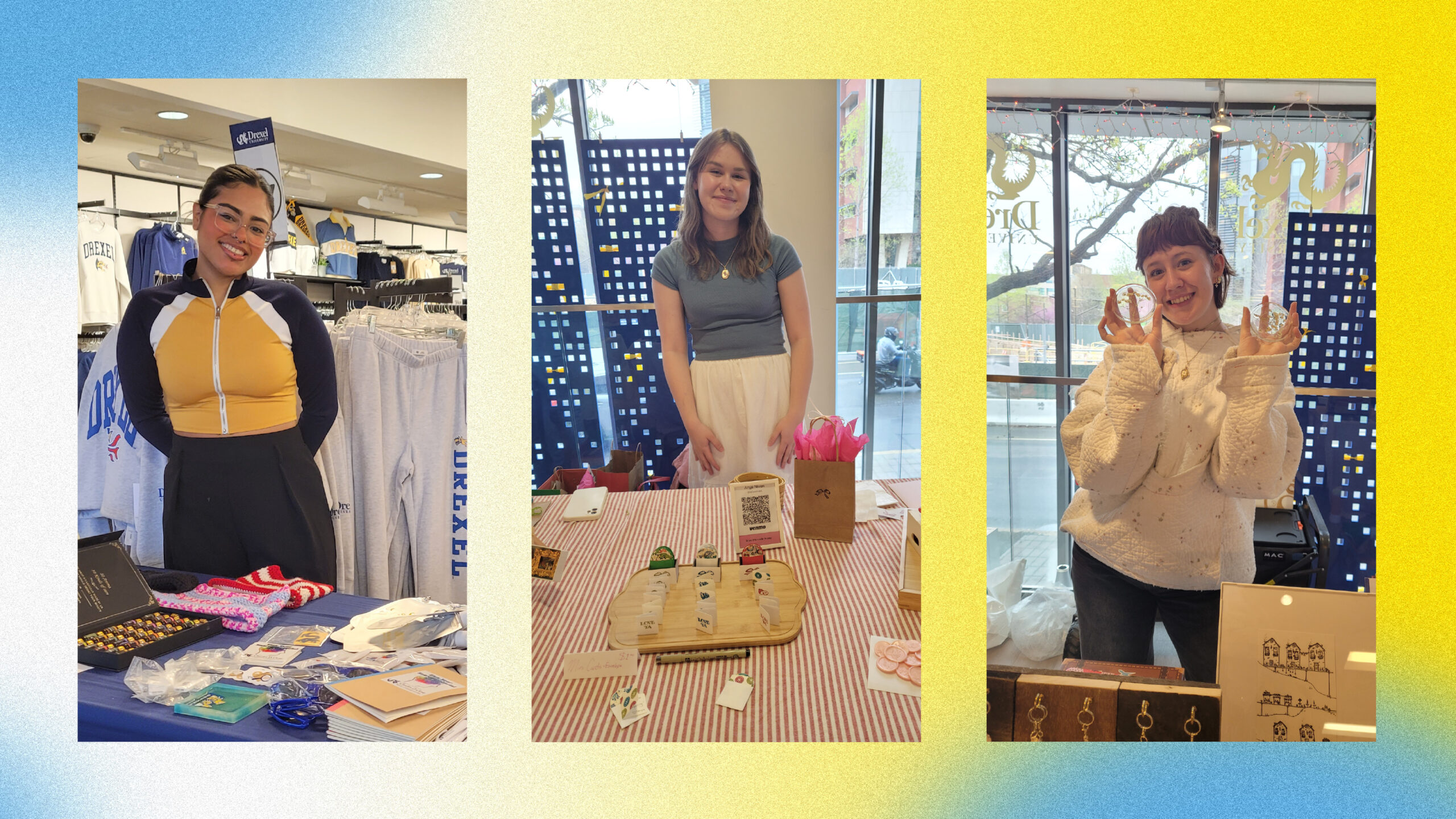
Imagine a vibrant marketplace buzzing with the energy of Drexel’s entrepreneurial spirit. Several times a year, the Charles D. Close School of Entrepreneurship throws open the doors to “Proving Ground,” a dynamic vendor expo where student startups – from app creators and impactful social enterprises to delectable food entrepreneurs and captivating game designers – take center stage. Each student entrepreneur receives a free platform to not just display their businesses but to passionately showcase their creations, directly engage with potential customers, gather invaluable feedback, and forge connections with fellow innovators.
Typically held within the familiar and supportive environment of the Pearlstein Building, the Close School’s hub on Drexel’s University City campus, Proving Ground is a cornerstone of annual all-day events like Startup Fest in the Fall and Future Fest in the Winter. This Spring, however, presented a unique and exciting opportunity. Dan Knittel, the Manager of Drexel’s Barnes and Noble and a passionate advocate for entrepreneurship across the university, extended an invitation: Would our student startups be interested in hosting a vendor expo during April’s New Dragon Days? The response was enthusiastic, with six dynamic student companies eagerly setting up shop in the bustling lobby of Barnes and Noble for this special two-day event.
As a wave of eager incoming students and their families flowed through the Barnes and Noble, friendly hellos and enthusiastic “welcome to Drexel” greetings emanated from the student vendors, creating a stark contrast that initially caused some shy newcomers to nod hesitantly and quickly pass by, unsure of this unexpected entrepreneurial showcase.
This initial challenge proved to be a powerful learning experience. The student vendors quickly adapted their approach, realizing that a genuine connection paved the way for engagement. Instead of simply stating greetings, they began initiating conversations with open-ended questions like “Where are you from?” and “What’s your major?” This simple shift fostered genuine dialogue, allowing the student entrepreneurs to share their Drexel experiences and address any questions from the incoming students. Only after establishing this rapport would they offer a concise and compelling introduction to their businesses. Sophia Diaz, a second-year Entrepreneurship and Innovation major, aptly described this learning curve:
“On the first day of the (Barnes and Noble) pop-up experience for my small business, Sophfabcreations, I was nervous to even begin … I was able to learn so much about how opportunities arise when participating in these pop-up shops. I’ve learned that grabbing the attention of passersby is essential for making sales. Without their attention, how would they know what you’re selling and the purpose behind it?”
This pivot in approach proved invaluable: not only were current students able to forge meaningful connections with incoming students, and vice versa, but they also internalized a crucial business lesson: building a relationship with a potential customer is the most effective foundation for closing a sale.
Sophia’s experience also illuminated another significant benefit of direct customer interaction. She engaged in an insightful conversation with a parent of an incoming student, who possessed expertise in child psychology. This unexpected connection allowed Sophia to delve into the intention behind her Sophfabcreations product line: crocheted scented shapes designed to provide comfort through their tactile softness and calming essential oil aromas.
“The pop-up connected me with an individual experienced in my field, providing crucial information that I wouldn’t have otherwise received. With this pop-up, and future pop-ups, I will now take with me the importance of communicating the power of my product to potential customers and demonstrating why I’ve dedicated time to selling these curated pieces.”
Sophia’s entrepreneurial drive is further fueled by her co-op experience at Laila’s Way, where she works with preschoolers diagnosed with autism and mental illness, directly informing her long-term goal of designing products that help children and young adults process their emotions. Sophfabcreations is a direct and inspiring result of this dedication.
Beyond customer interactions, Proving Ground events foster invaluable connections among the student vendors themselves. As Anya Niven, a second-year Entrepreneurship and Innovation major, eloquently explains, “The Proving Ground Pop-Up was the very first place I sold my products, and it’s become the inspiration and momentum behind launching my small business! I came into my first Proving Ground with no expectations of selling anything I had made, I was just hoping to get a feel for the selling side of the craft markets I’ve always loved and have a fun, low-pressure experience. To my surprise, not only did I make sales, but I also connected with so many supportive people who gave me valuable feedback and encouragement. The Proving Ground experience has taught me a lot about customer service and communication in the pop-up market business, which has grown my confidence and helped me make important decisions as I continue to develop my business.”
Anya further emphasizes the supportive and empowering nature of Proving Ground: “What I value most about the pop-ups is how welcoming and empowering they are for new makers like me. I have learned something new both from customers and other sellers each time I have participated in the pop-ups, and my business is always evolving because of it. Proving Ground is a space where entrepreneurs can learn, grow, and become a part of a creative student community that genuinely wants to see each other succeed!”
The Proving Ground events at Drexel’s Close School of Entrepreneurship are more than just vendor expos; they are vital stepping stones for aspiring entrepreneurs. They provide a low-risk environment to test ideas, gain real-world experience, build crucial networks, and learn invaluable lessons that extend far beyond the classroom. Keep an eye out for upcoming Proving Ground opportunities and come support the next generation of Drexel innovators!